
Department Inspection in Dubai – Common Defects Found
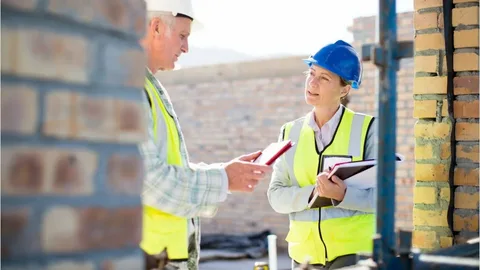
Buying an apartment in Dubai is a major investment. The property may look perfect during a viewing. Fresh paint, clean floors, and modern fittings can create a strong first impression. But many defects stay hidden beneath the surface.
Small problems can turn into expensive repairs after you move in. Water leakage can damage walls. Poor wiring can create safety risks. Weak air conditioning can make daily life uncomfortable. If you skip inspection, you may take responsibility for issues that the developer should have fixed.
An apartment inspection helps you identify these defects early. It gives you clarity before handover. It protects your money and reduces future stress.
In this guide, you will learn about the most common defects found during apartment inspections in Dubai and why early detection matters.
Why Apartment Inspections Are Important in Dubai
Dubai’s real estate market grows quickly. Developers complete large residential projects within tight timelines. While most projects follow quality standards, rushed work can lead to minor or major defects.
Apartments are often sold off-plan. Buyers rely on brochures, models, and promises. When construction is complete, the final product may not meet expectations. Without inspection, you may miss defects that affect comfort and value.
An apartment inspection helps you:
- Confirm that construction matches approved plans
- Verify electrical, plumbing, and AC systems
- Identify finishing defects
- Request repairs before final acceptance
- Avoid disputes with developers later
When you inspect at the right time, you stay in control of the process.
Structural and Wall Defects
Structural and surface defects are common in newly completed apartments. These issues may appear minor, but they should never be ignored.
Hairline Cracks
Inspectors often find hairline cracks in walls or ceilings. Some cracks are normal due to settling. However, wide or repeated cracks may indicate structural movement.
Uneven Plaster and Surfaces
Walls should feel smooth and even. Poor plastering creates uneven patches. These areas weaken paint durability and reduce aesthetic quality.
Dampness and Moisture Marks
Moisture stains on walls or ceilings are warning signs. They often result from water leakage in upper floors or plumbing lines.
Hollow Tiles
When inspectors tap floor or wall tiles, they sometimes produce a hollow sound. This indicates improper bonding. Over time, such tiles may loosen or crack.
Early identification prevents long-term structural damage and repair costs.
Electrical Defects Found in Apartments
Electrical systems require careful testing. Many issues are not visible without proper checks.
Loose Switches and Sockets
Switches and power outlets must sit firmly in place. Loose fittings can cause sparks or electrical failure.
Non-Functional Light Points
Inspectors test every light point. Some may not work due to wiring issues or poor installation.
Overloaded Distribution Board
The distribution board controls the electrical system. Incorrect wiring or overloaded circuits create safety risks.
Improper Earthing
Earthing protects against electric shocks. If grounding is not properly installed, safety is compromised.
To avoid hazards, electrical defects must be corrected before handover.
Plumbing and Water Leakage Issues
Water damage is one of the most common defects found during apartment inspections in Dubai.
Low Water Pressure
Inconsistent water flow can indicate blocked pipes or improper installation.
Slow Drainage
Bathrooms and kitchens must drain efficiently. Poor drainage leads to water pooling and odour issues.
Leakage Under Sinks
Inspectors check cabinets under sinks for hidden leaks. Even small drips can cause long-term damage.
Poor Sealing Around Fixtures
Improper sealing around toilets, showers, and washbasins allows water to seep into walls and floors.
If ignored, plumbing defects can cause mould growth and structural weakening.
Air Conditioning and HVAC Problems
Addressing AC defects early improves comfort and reduces electricity costs. Air conditioning is essential in Dubai’s climate. Even minor performance issues affect comfort and energy consumption.
Weak Cooling Performance
Inspectors test the temperature output. If cooling is weak, the system may need adjustment or servicing.
Uneven Airflow
Some rooms may receive less airflow due to issues with duct installation.
Excessive Noise
Loud AC units may indicate poor installation or mechanical faults.
Faulty Thermostats
Thermostats must respond accurately. Incorrect calibration causes energy waste.
Door and Window Alignment Issues
Doors and windows should open and close smoothly. Misalignment affects security and insulation.
Gaps in Frames
Visible gaps allow dust and hot air to enter.
Stiff or Misaligned Doors
Doors must close properly without force.
Faulty Locks and Handles
Loose handles and weak locks reduce safety.
Poor Window Sealing
Improper sealing increases cooling costs and noise penetration.
Kitchen Defects in New Apartments
The kitchen is a high-usage area. Even minor defects become noticeable quickly.
Cabinet Alignment Problems
Doors and drawers should align evenly. Misalignment reduces functionality.
Damaged Countertops
Scratches or chips reduce quality and appearance.
Loose Hinges and Fittings
Inspectors test drawer rails and hinges for stability.
Poor Ventilation
Exhaust systems must remove heat and cooking fumes effectively. Kitchen inspection ensures durability and daily convenience.
Bathroom Defects
Bathrooms face constant water exposure. Careful inspection prevents future damage.
Improper Tile Finishing
Uneven tiles or poor grout work allow moisture seepage.
Water Leakage in Shower Areas
Inspectors check the slope and seal it to ensure water flows toward the drain.
Loose Fittings
Taps, shower heads, and accessories must remain stable during use.
Poor Drainage Slope
An incorrect floor slope causes water pooling. Bathroom defects often lead to mould growth if ignored.
Balcony and Exterior Issues
Balconies require attention because they are directly exposed to the weather.
Cracked Tiles
Temperature changes can expand and crack poorly installed tiles.
Poor Drainage
Water should not pool after cleaning or rain.
Rusting Railings
Metal components must resist corrosion.
Surface Damage
Inspectors check for uneven finishing or safety hazards. Balcony defects impact safety and long-term durability.
Finishing and Interior Quality Issues
Finishing defects affect the overall look and feel of the apartment.
- Uneven paint application
- Paint stains on tiles or glass
- Inconsistent tile alignment
- Flooring scratches
- Poor silicone sealing
While these may seem cosmetic, they reflect construction quality standards.
Common Causes of Apartment Defects
Understanding why defects occur helps you appreciate the need for inspection.
- Fast construction timelines
- Poor supervision during installation
- Inexperienced labor
- Material quality issues
- Lack of detailed quality checks
Identifying these problems early reduces long-term risks.
When Should You Inspect an Apartment in Dubai?
Timing plays a critical role.
Before Handover
This is the most important stage. You can request corrections before accepting responsibility.
After Repairs
A follow-up inspection confirms whether defects were properly fixed.
Before Renting
Landlords should inspect to ensure safety and avoid tenant disputes.
Before Buying a Resale Apartment
Older units may hide plumbing or electrical issues. Proper timing protects your investment.
Why Professional Apartment Inspection Is Recommended
You can conduct a basic visual check. However, professionals use structured checklists and tools.
Professional inspectors:
- Test electrical systems thoroughly
- Detect hidden leaks
- Identify structural concerns
- Provide detailed defect reports with photos
A professional report strengthens your position when requesting repairs.
Long-Term Benefits of Apartment Inspection
A proper inspection offers long-term advantages.
- Reduced maintenance costs
- Improved safety
- Better property value
- Peace of mind
- Fewer disputes with developers
Investing in inspection saves money in the future.
Conclusion
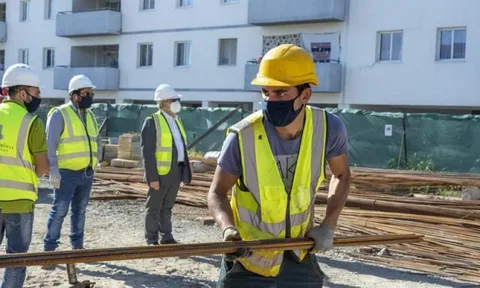
An apartment inspection in Dubai is not just a formality. It is a protective step. It helps you identify structural, electrical, plumbing, AC, and finishing defects before they become serious problems.
Many defects stay hidden during a quick viewing. Without inspection, you may end up accepting responsibility for repairs that should have been made earlier.
Always inspect before final handover. Take time to review every detail. A careful inspection ensures your apartment meets expected standards and protects your investment for years to come.